Advertisement
Oxtail Stew Recipe
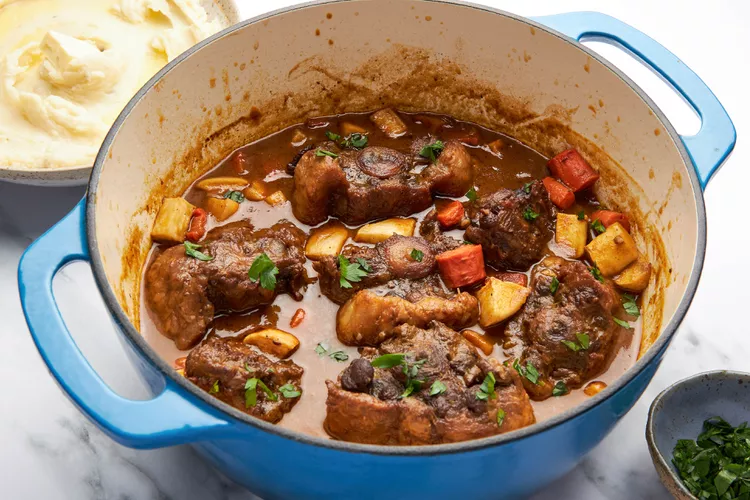
A Comforting Bowl of Slow-Braised Oxtail Stew
There’s something deeply comforting about a pot of stew slowly bubbling away on the stove. The aroma fills the kitchen, promising a meal that’s rich, hearty, and worth the wait. Oxtail stew is one of those timeless dishes—humble in origin, yet luxurious in flavor. If you’ve never cooked with oxtails before, you’re in for a beautiful surprise.
Why This Stew Is So Special
Oxtails may not be as common as other cuts of beef, but they deliver extraordinary flavor. Think of the depth of braised short ribs—then imagine something even richer. Because the tail is a well-worked muscle, it’s full of connective tissue that melts during slow cooking, creating a silky, deeply savory sauce. The bones contain marrow, which adds body and richness to the broth.
This cut was once inexpensive and considered simple fare. Today, it’s treasured for the very qualities that make it shine in slow-cooked dishes: bold flavor and melt-in-your-mouth tenderness.
The Secret: Low and Slow
Oxtails need time. A gentle simmer over several hours transforms them from firm and tough into fork-tender pieces of beef that practically fall off the bone. Since they are naturally fatty, many cooks prefer to prepare the stew a day ahead, chill it overnight, and skim off the hardened fat before reheating. This step leaves you with a cleaner, more balanced sauce while preserving all the richness.
Slow-Braised Oxtail Stew
Serves: 4–6
Cook Time: About 3 hours
You can serve the oxtails on the bone for a rustic presentation, or remove the meat before serving for easier eating.
3 pounds (1.3 kg) oxtails, cut at the joints
Kosher salt and freshly ground black pepper
1 tablespoon olive oil (plus extra for roasting vegetables)
1 medium yellow onion, chopped
1 large carrot, chopped
1 celery stalk, chopped
3 whole garlic cloves (unpeeled)
1 bay leaf
A pinch of dried thyme
2 cups beef or chicken stock
2 cups red wine
2 carrots, cut into large chunks
2 parsnips, cut into large chunks
2 turnips or rutabagas, cut into 1-inch pieces
Fresh parsley, chopped (for garnish)
Method
1. Brown the Oxtails
Pat the oxtails dry and season generously with salt and pepper. Heat olive oil in a large Dutch oven over medium-high heat. Working in batches, sear the oxtails on all sides until well browned. Remove and set aside.
2. Build the Flavor Base
In the same pot, add the chopped onion, carrot, and celery. Cook for a few minutes until softened and fragrant, scraping up any browned bits from the bottom of the pot.
3. Simmer Low and Slow
Return the oxtails to the pot. Add the garlic cloves, stock, red wine, bay leaf, thyme, and about ½ teaspoon salt. Bring to a gentle simmer, then reduce heat to low. Cover and cook for about 3 hours, or until the meat is very tender.
4. Roast the Root Vegetables
About an hour before the meat is done, preheat the oven to 350°F (175°C). Toss the carrots, parsnips, and turnips with olive oil, salt, and pepper. Spread on a roasting pan and roast for about 1 hour, until tender and lightly caramelized.
5. Skim the Fat
When the oxtails are tender, remove them from the pot. Skim excess fat from the surface of the cooking liquid. For best results, chill the stew overnight and remove the solidified fat the next day.
6. Strain and Reduce
Strain the cooking liquid, pressing on the vegetables to extract as much flavor as possible. Discard the solids. Return the strained liquid to the pot and simmer until reduced by about half, intensifying the flavor.
7. Bring It All Together
Add the oxtails and roasted vegetables back into the pot. Simmer gently for about 30 minutes to allow the flavors to blend beautifully. Sprinkle with fresh parsley before serving.
Make It Your Own
This stew welcomes creativity. Some cooks swap in potatoes or taro root. Others add a splash of winter ale instead of wine, a spoonful of chili sauce for heat, or a pinch of allspice for warmth. The base is rich and versatile—perfect for adapting to what you love or have on hand.
A Final Thought
Oxtail stew is not fast food—it’s slow food in the best possible sense. It asks for patience, but it rewards you with incredible depth of flavor and a sauce that feels like pure comfort in a bowl. Serve it over creamy mashed potatoes or alongside crusty bread, and enjoy a meal that warms you from the inside out.
There’s something deeply comforting about a pot of stew slowly bubbling away on the stove. The aroma fills the kitchen, promising a meal that’s rich, hearty, and worth the wait. Oxtail stew is one of those timeless dishes—humble in origin, yet luxurious in flavor. If you’ve never cooked with oxtails before, you’re in for a beautiful surprise.
Why This Stew Is So Special
Oxtails may not be as common as other cuts of beef, but they deliver extraordinary flavor. Think of the depth of braised short ribs—then imagine something even richer. Because the tail is a well-worked muscle, it’s full of connective tissue that melts during slow cooking, creating a silky, deeply savory sauce. The bones contain marrow, which adds body and richness to the broth.
This cut was once inexpensive and considered simple fare. Today, it’s treasured for the very qualities that make it shine in slow-cooked dishes: bold flavor and melt-in-your-mouth tenderness.
The Secret: Low and Slow
Oxtails need time. A gentle simmer over several hours transforms them from firm and tough into fork-tender pieces of beef that practically fall off the bone. Since they are naturally fatty, many cooks prefer to prepare the stew a day ahead, chill it overnight, and skim off the hardened fat before reheating. This step leaves you with a cleaner, more balanced sauce while preserving all the richness.
Slow-Braised Oxtail Stew
Serves: 4–6
Cook Time: About 3 hours
You can serve the oxtails on the bone for a rustic presentation, or remove the meat before serving for easier eating.
Advertisement
Ingredients3 pounds (1.3 kg) oxtails, cut at the joints
Kosher salt and freshly ground black pepper
1 tablespoon olive oil (plus extra for roasting vegetables)
1 medium yellow onion, chopped
1 large carrot, chopped
1 celery stalk, chopped
3 whole garlic cloves (unpeeled)
1 bay leaf
A pinch of dried thyme
2 cups beef or chicken stock
2 cups red wine
2 carrots, cut into large chunks
2 parsnips, cut into large chunks
2 turnips or rutabagas, cut into 1-inch pieces
Fresh parsley, chopped (for garnish)
Method
1. Brown the Oxtails
Pat the oxtails dry and season generously with salt and pepper. Heat olive oil in a large Dutch oven over medium-high heat. Working in batches, sear the oxtails on all sides until well browned. Remove and set aside.
2. Build the Flavor Base
In the same pot, add the chopped onion, carrot, and celery. Cook for a few minutes until softened and fragrant, scraping up any browned bits from the bottom of the pot.
3. Simmer Low and Slow
Return the oxtails to the pot. Add the garlic cloves, stock, red wine, bay leaf, thyme, and about ½ teaspoon salt. Bring to a gentle simmer, then reduce heat to low. Cover and cook for about 3 hours, or until the meat is very tender.
4. Roast the Root Vegetables
About an hour before the meat is done, preheat the oven to 350°F (175°C). Toss the carrots, parsnips, and turnips with olive oil, salt, and pepper. Spread on a roasting pan and roast for about 1 hour, until tender and lightly caramelized.
5. Skim the Fat
When the oxtails are tender, remove them from the pot. Skim excess fat from the surface of the cooking liquid. For best results, chill the stew overnight and remove the solidified fat the next day.
6. Strain and Reduce
Strain the cooking liquid, pressing on the vegetables to extract as much flavor as possible. Discard the solids. Return the strained liquid to the pot and simmer until reduced by about half, intensifying the flavor.
7. Bring It All Together
Add the oxtails and roasted vegetables back into the pot. Simmer gently for about 30 minutes to allow the flavors to blend beautifully. Sprinkle with fresh parsley before serving.
Make It Your Own
This stew welcomes creativity. Some cooks swap in potatoes or taro root. Others add a splash of winter ale instead of wine, a spoonful of chili sauce for heat, or a pinch of allspice for warmth. The base is rich and versatile—perfect for adapting to what you love or have on hand.
A Final Thought
Oxtail stew is not fast food—it’s slow food in the best possible sense. It asks for patience, but it rewards you with incredible depth of flavor and a sauce that feels like pure comfort in a bowl. Serve it over creamy mashed potatoes or alongside crusty bread, and enjoy a meal that warms you from the inside out.
You Might Also Like